

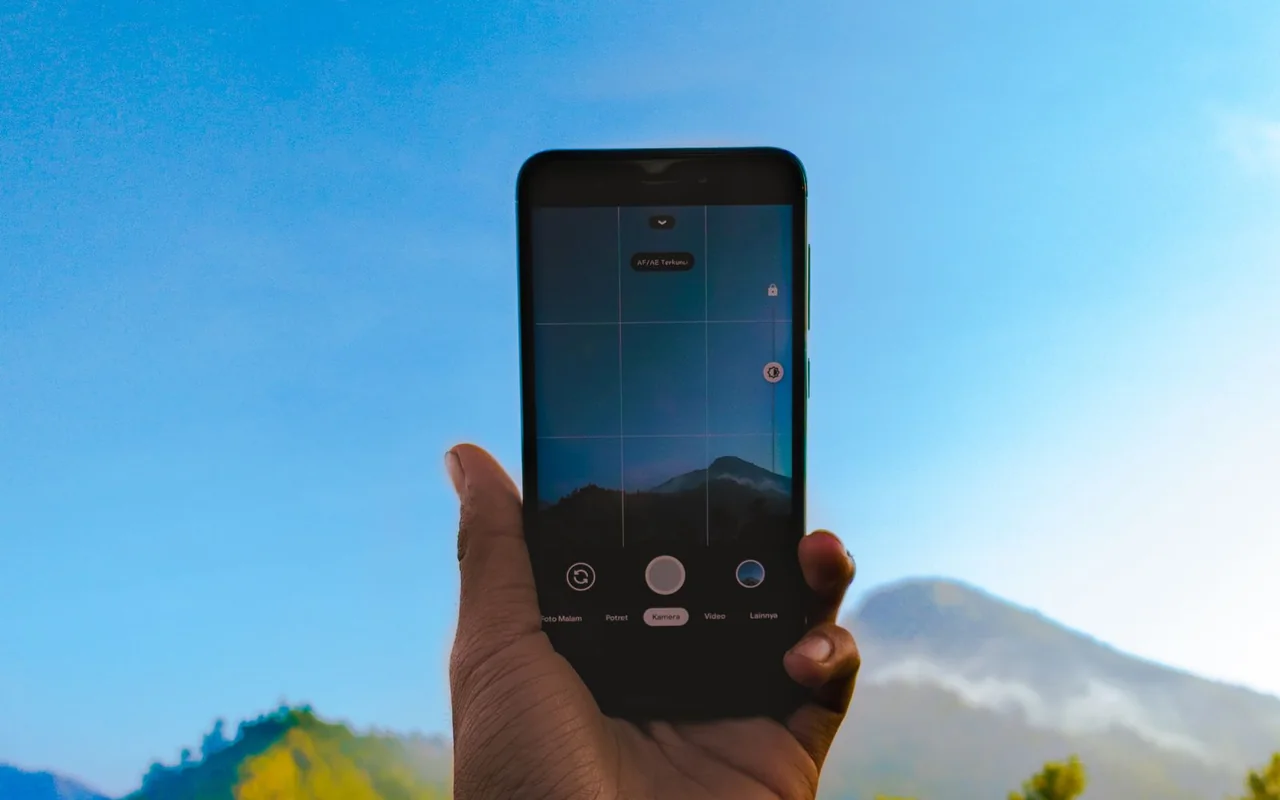
Is a Phone’s RAW File Worth Keeping After Dark?
Compare edit headroom, color, file size and processing artifacts under the same light.
Search all 40 articles in the Gnlrw Geek edition.
40 stories
Compare edit headroom, color, file size and processing artifacts under the same light.
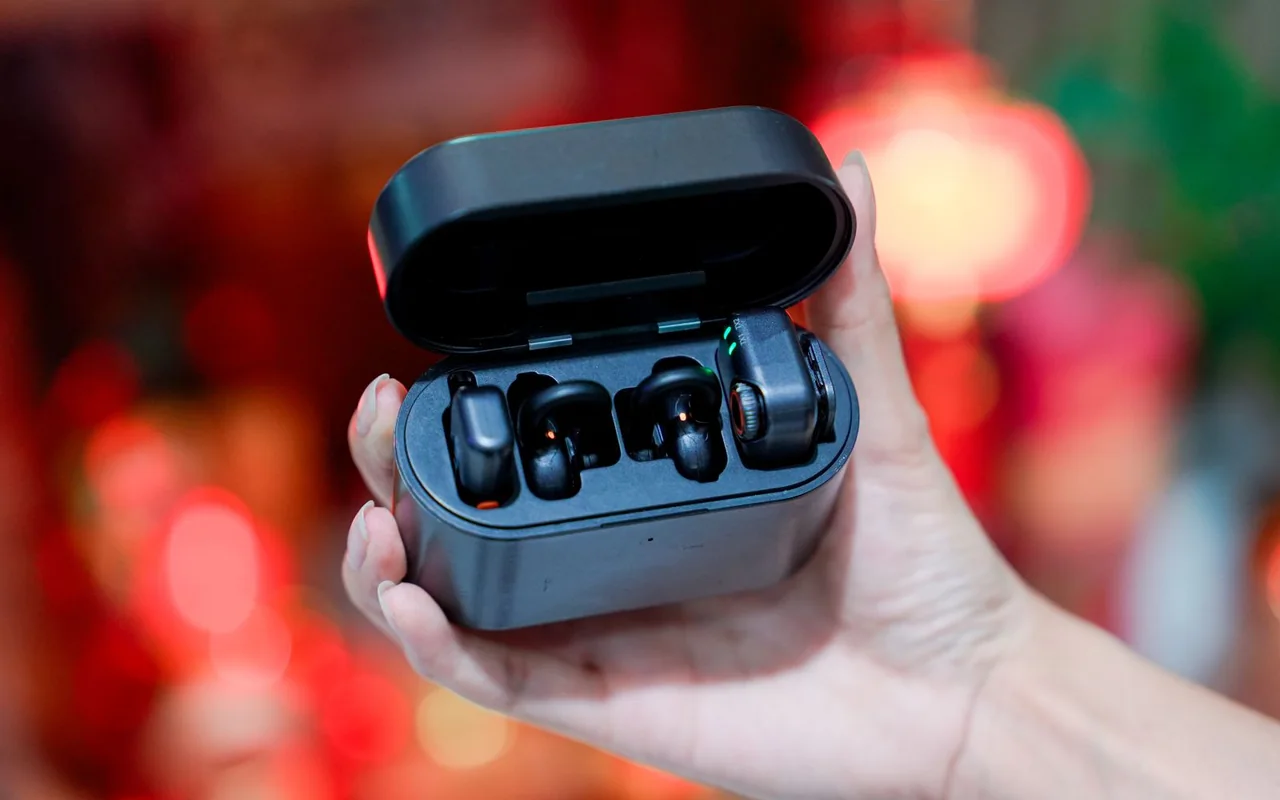
A short call recording can reveal mic switching, automatic processing and differences between left and right operation.
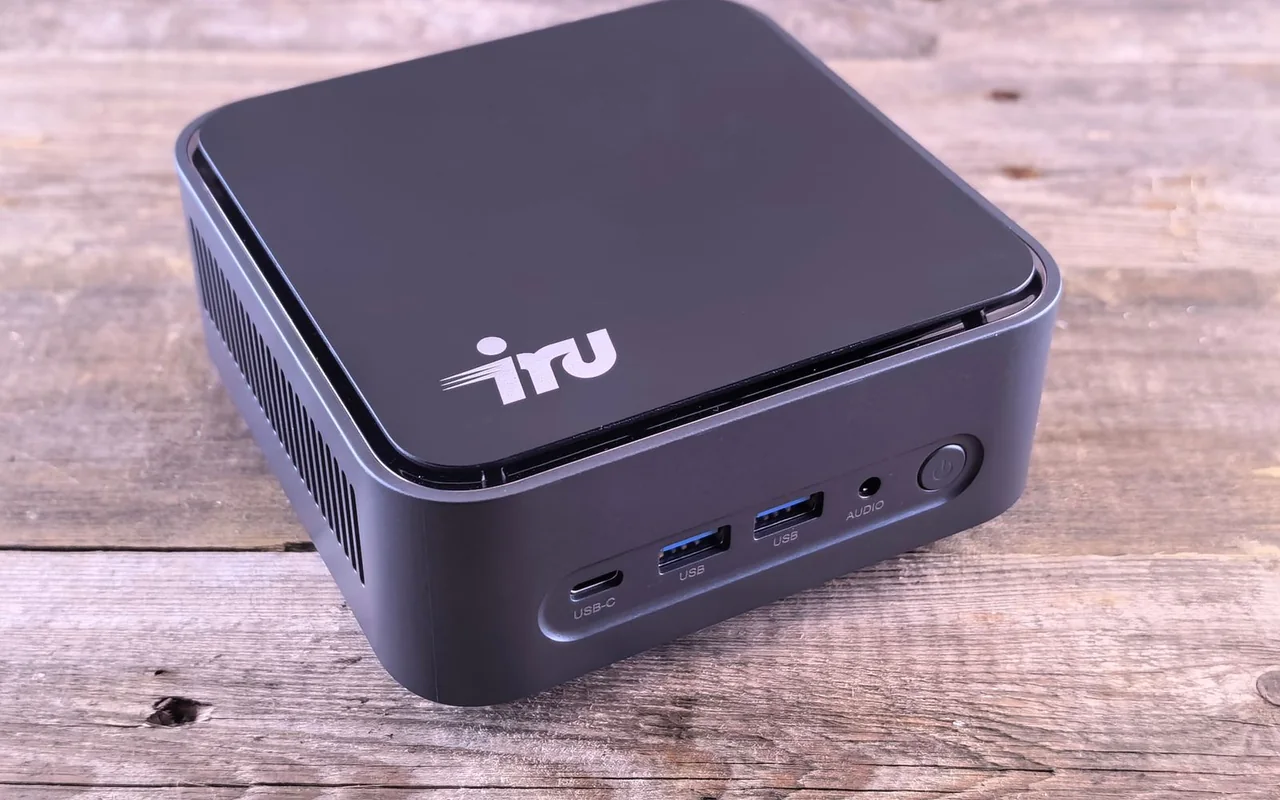
A mesh shelf and a closed cabinet put very different demands on passive cooling.
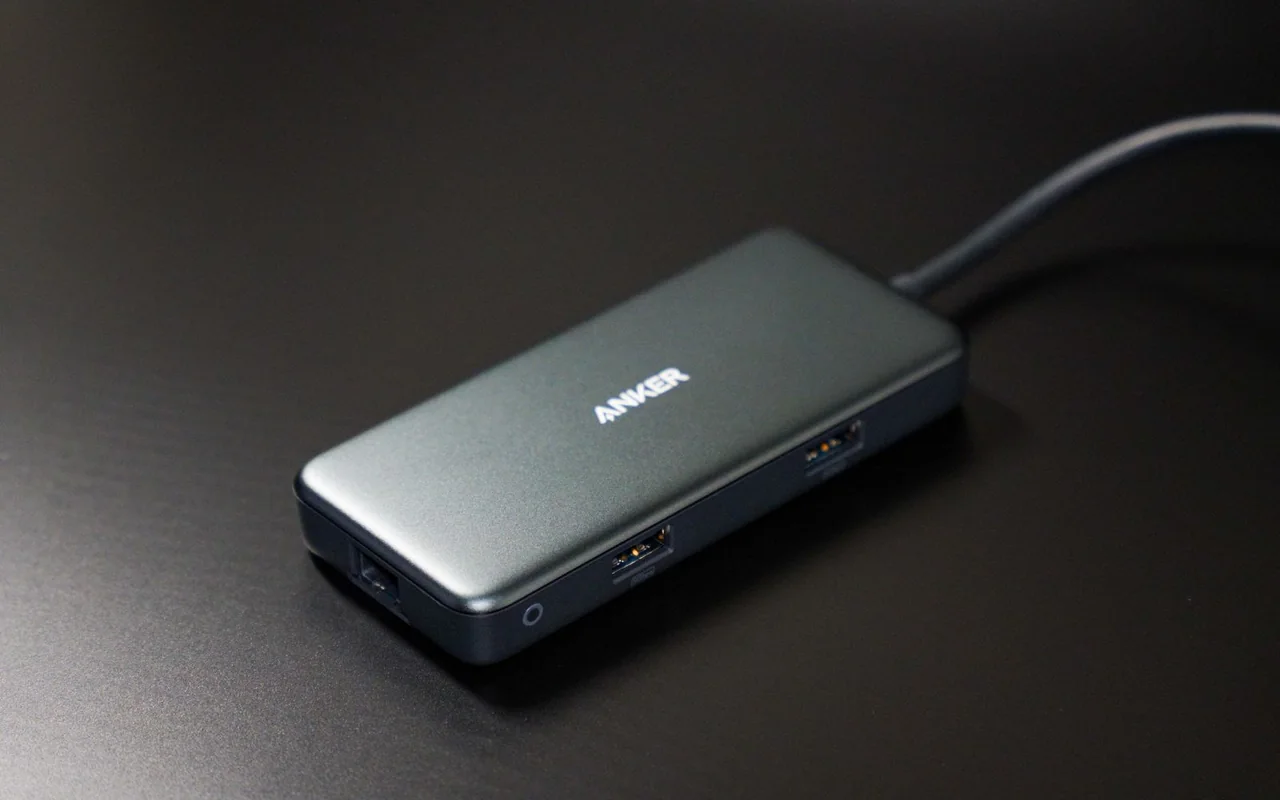
Understand the display capabilities your computer sees through a chain of cables and adapters.
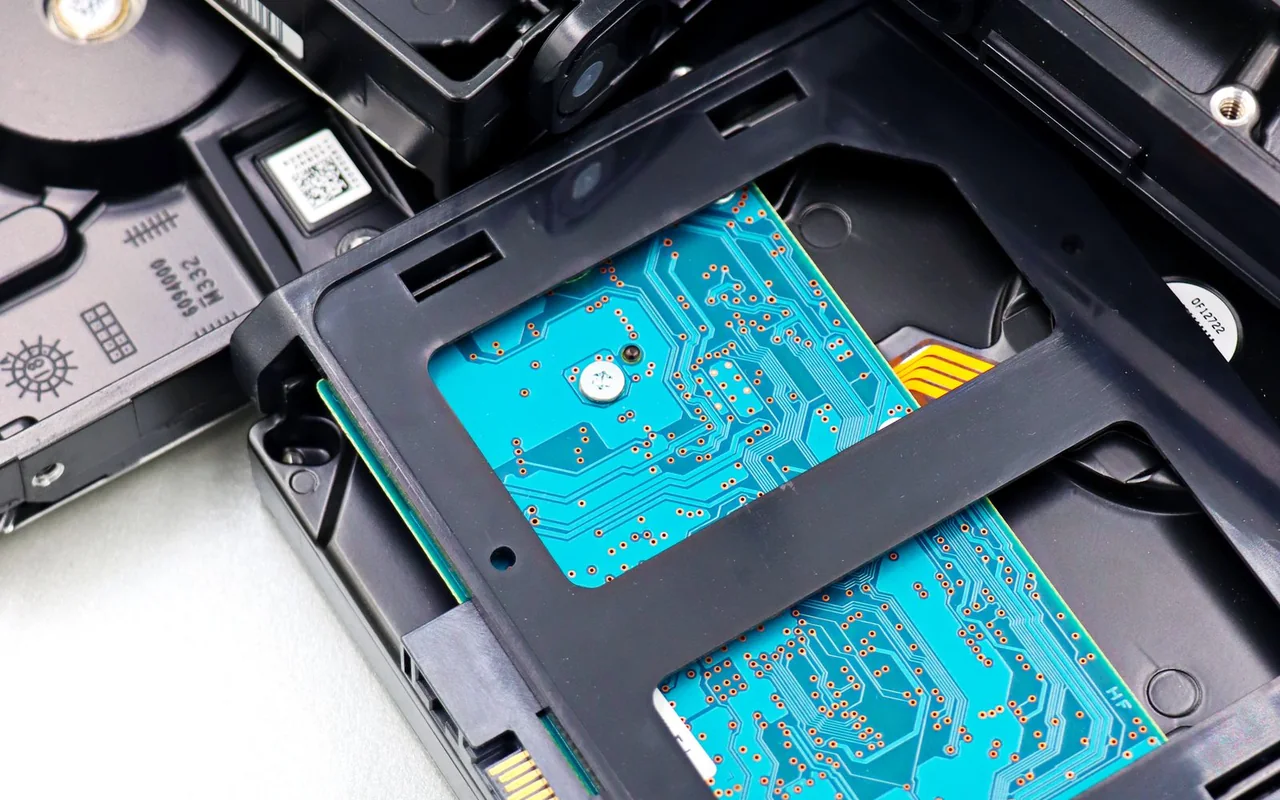
Take a harmless sample through deletion, restore and a separate copy so you know where recovery stops.
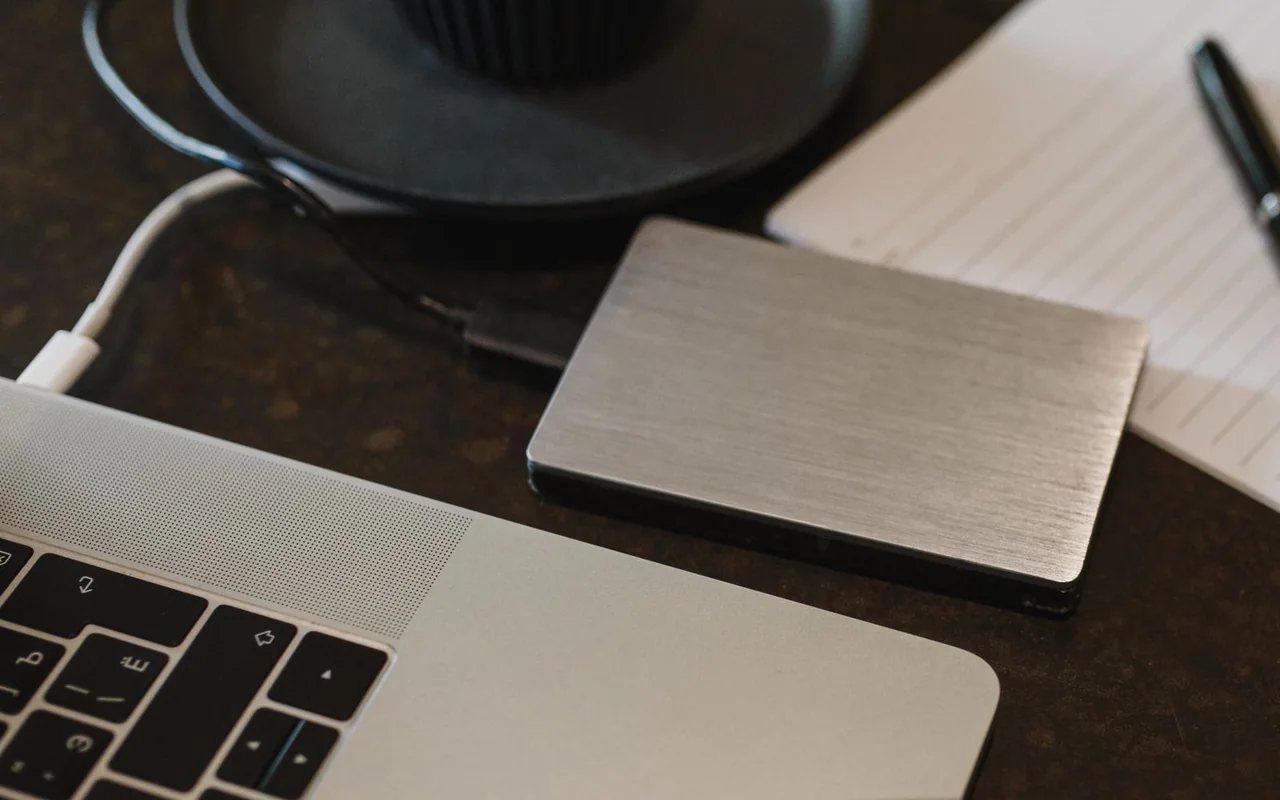
A checksum can flag mismatched bytes if it travels with the right file and a trustworthy baseline.
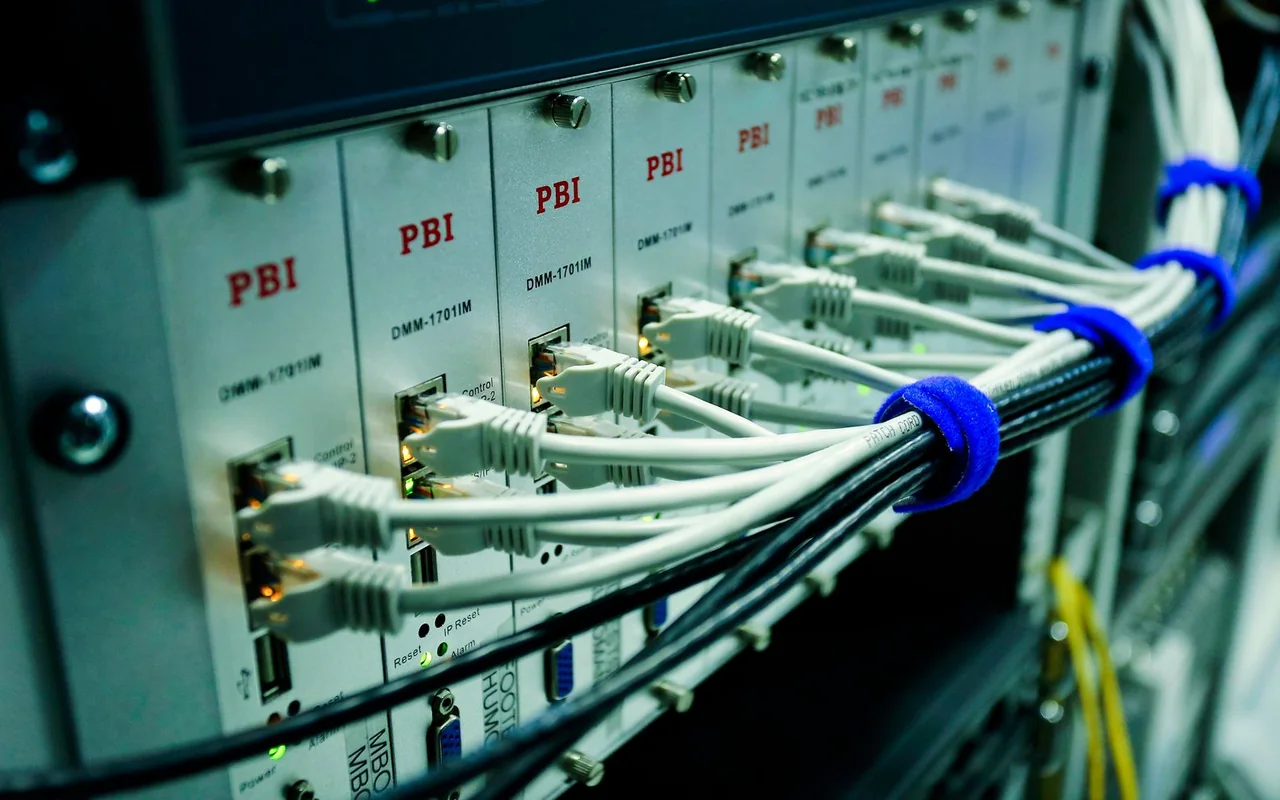
Map room jacks and patch-panel connections with a small repeatable test and clear labels.
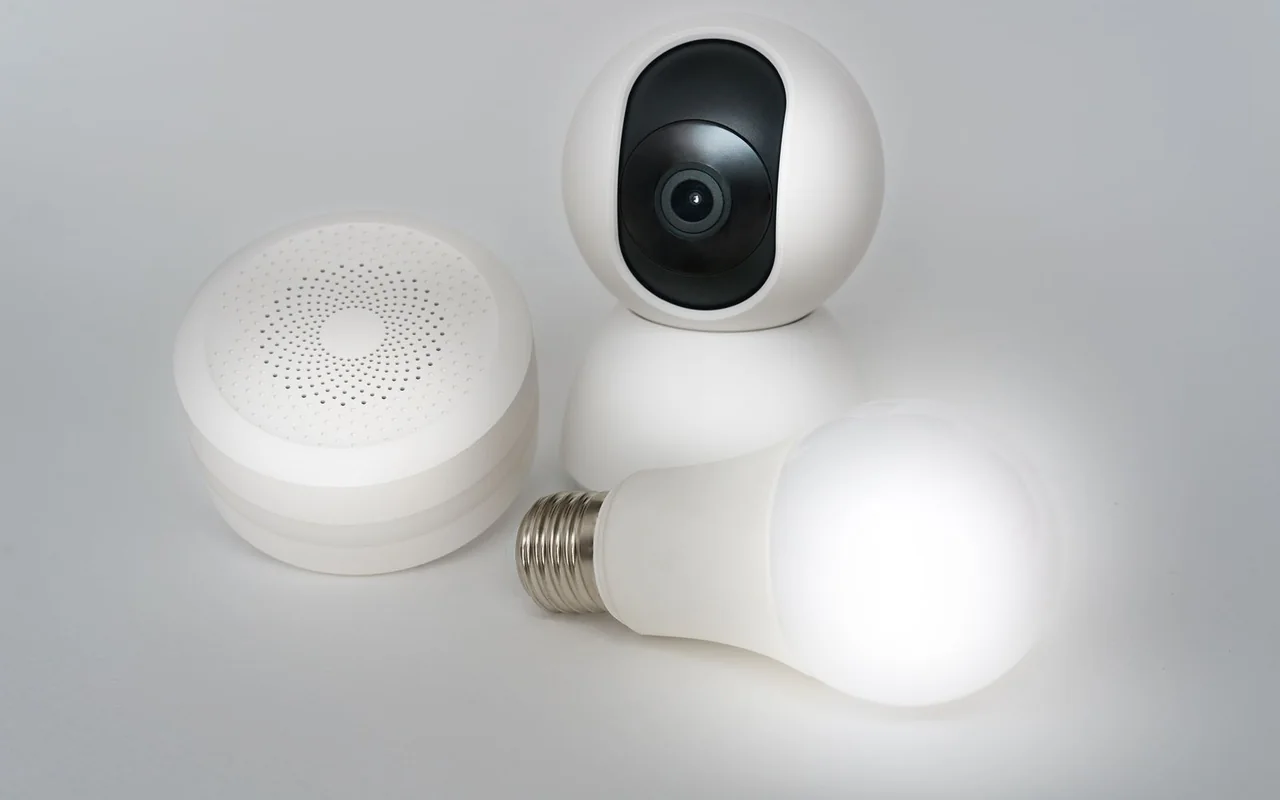
A Thread radio, an IP connection and a home controller play distinct roles during a change of equipment.
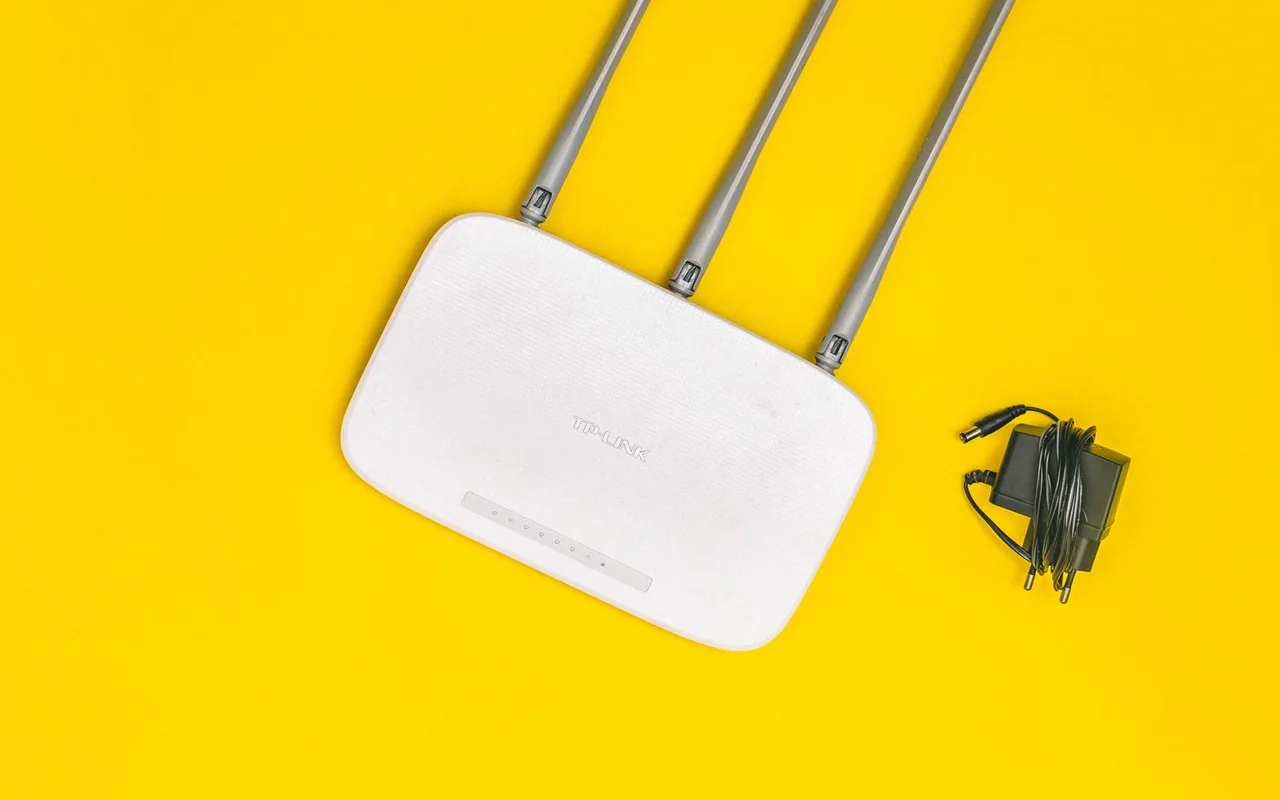
Use the October 2026 gateway announcement to understand latency, local transfers and internet capacity.
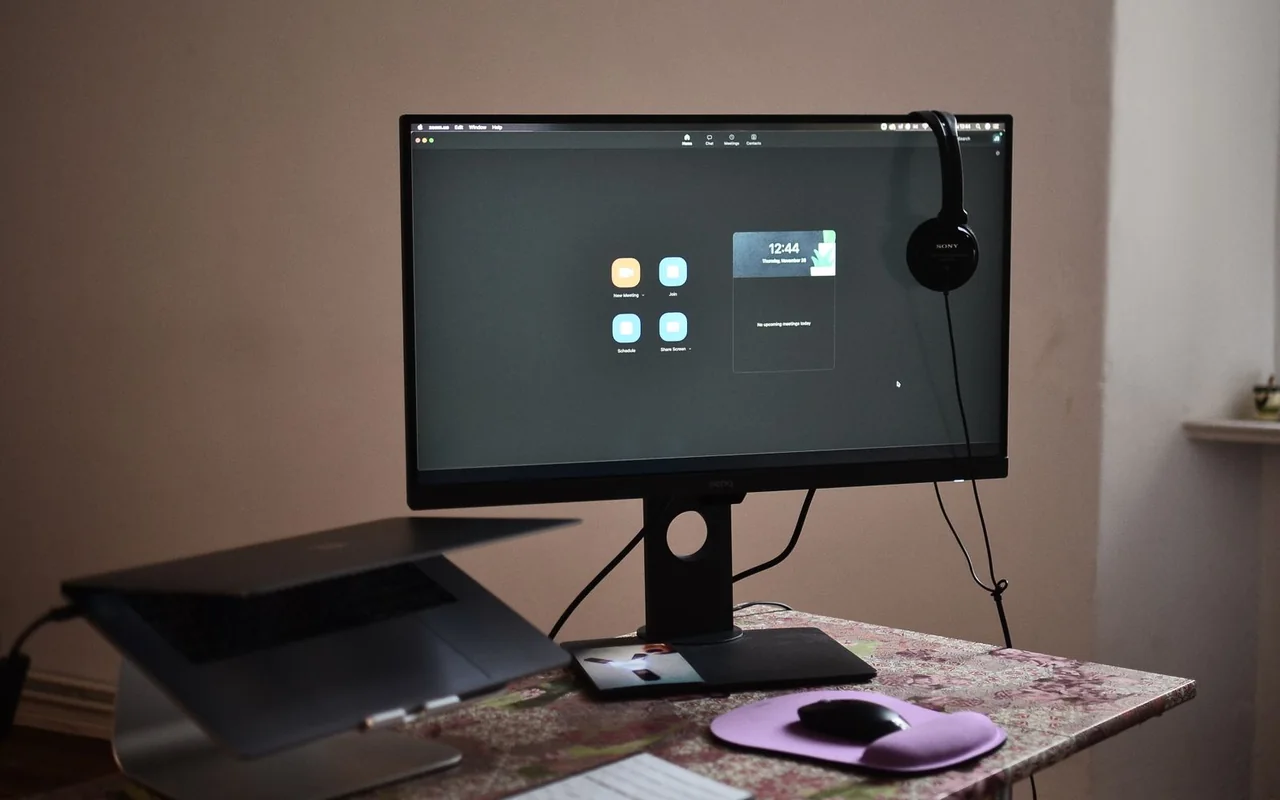
Think in pixels, refresh rate, bit depth and connection modes before buying a higher-spec cable.

Compare fit, speech clarity and sound leakage without using volume to mask traffic.
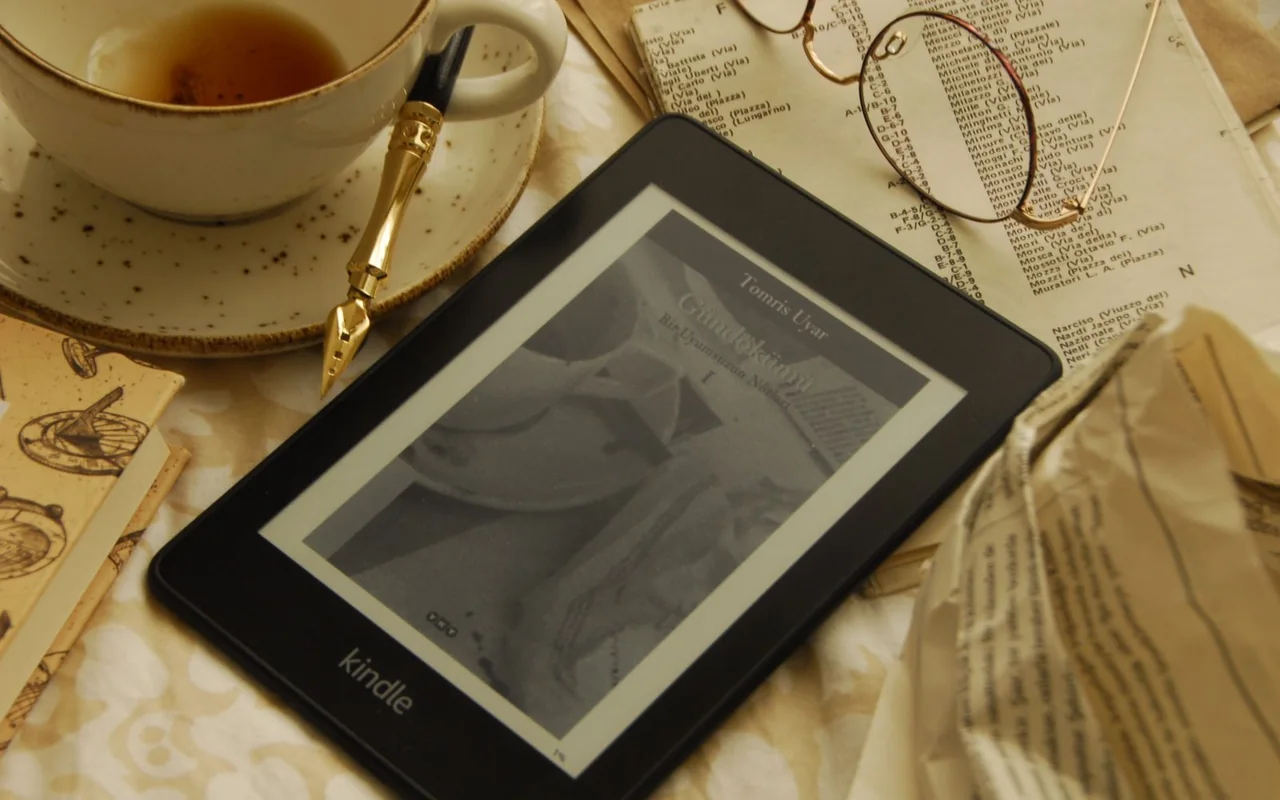
Trace one library loan and one owned book through formats, accounts and offline reading.
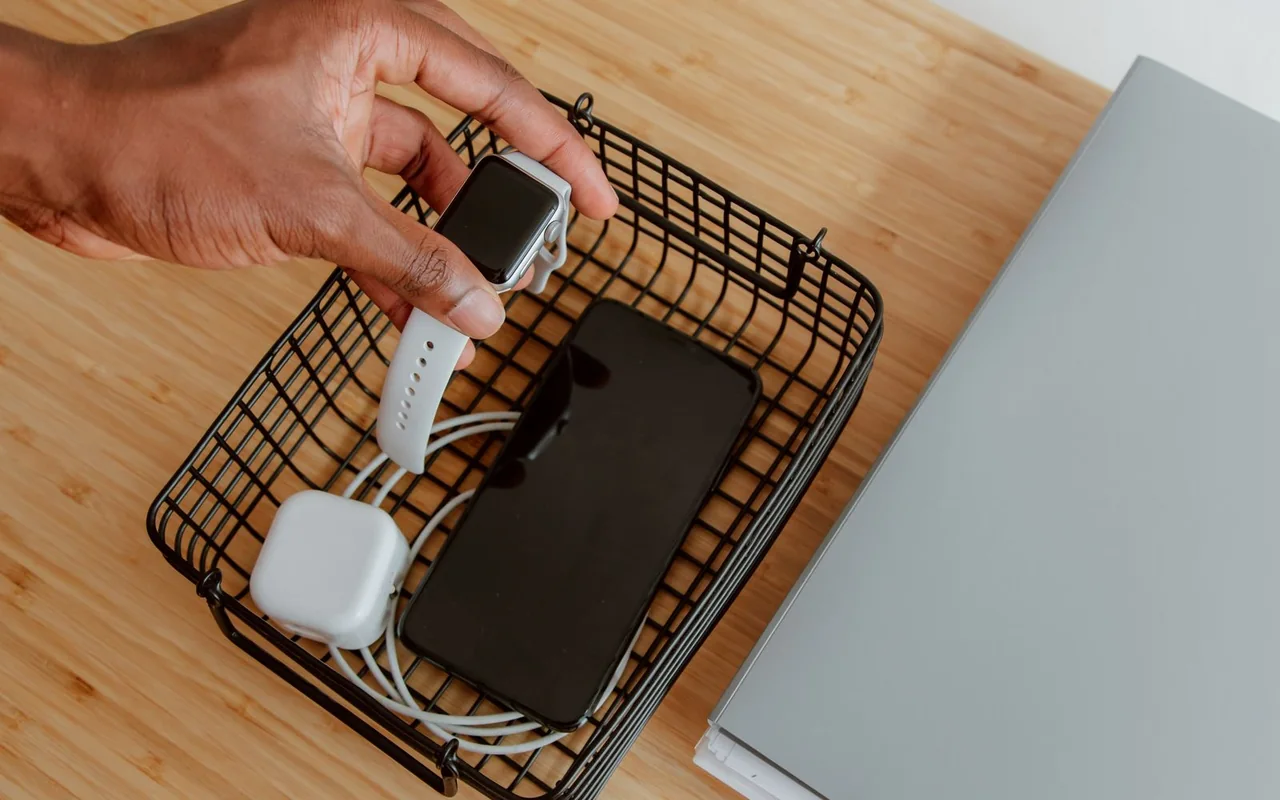
Protect the watch time you use by placing short charging breaks around routines you already have.
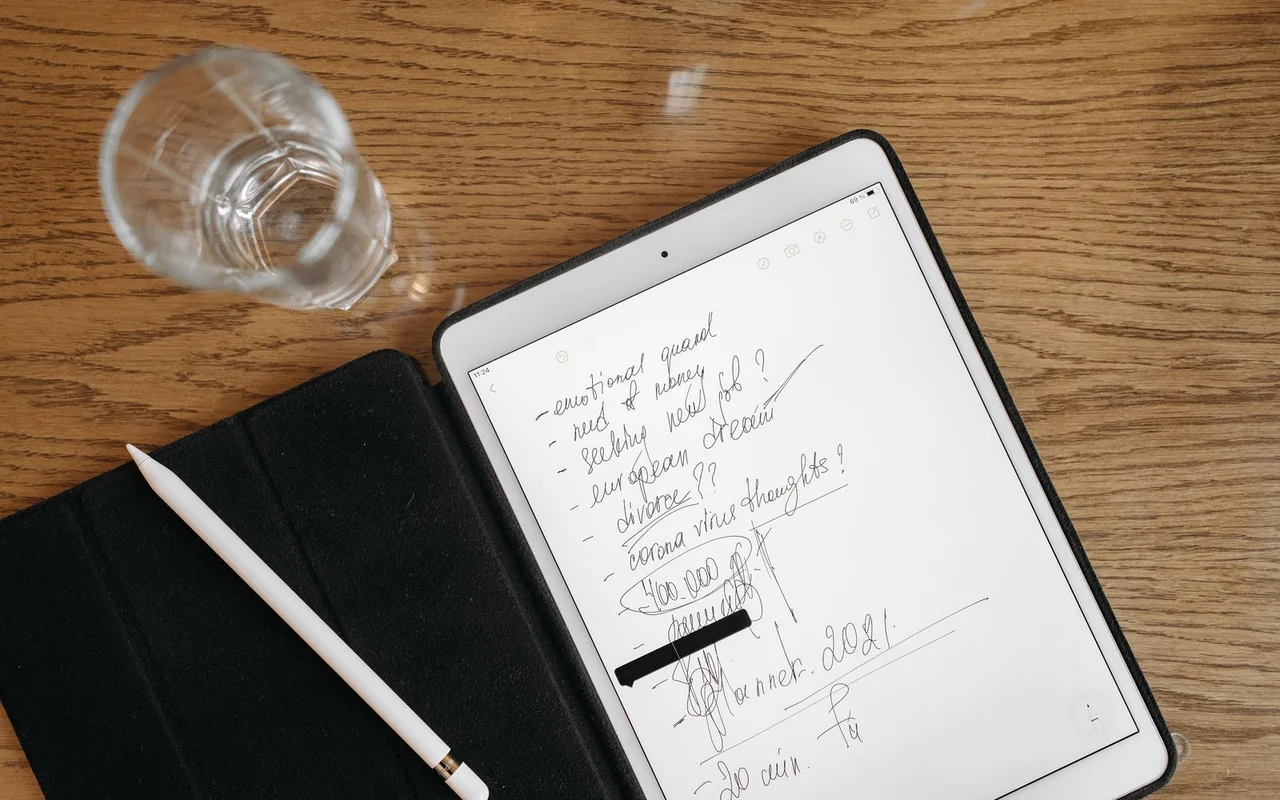
An exported notebook should preserve meaning, layout and enough context for later retrieval.
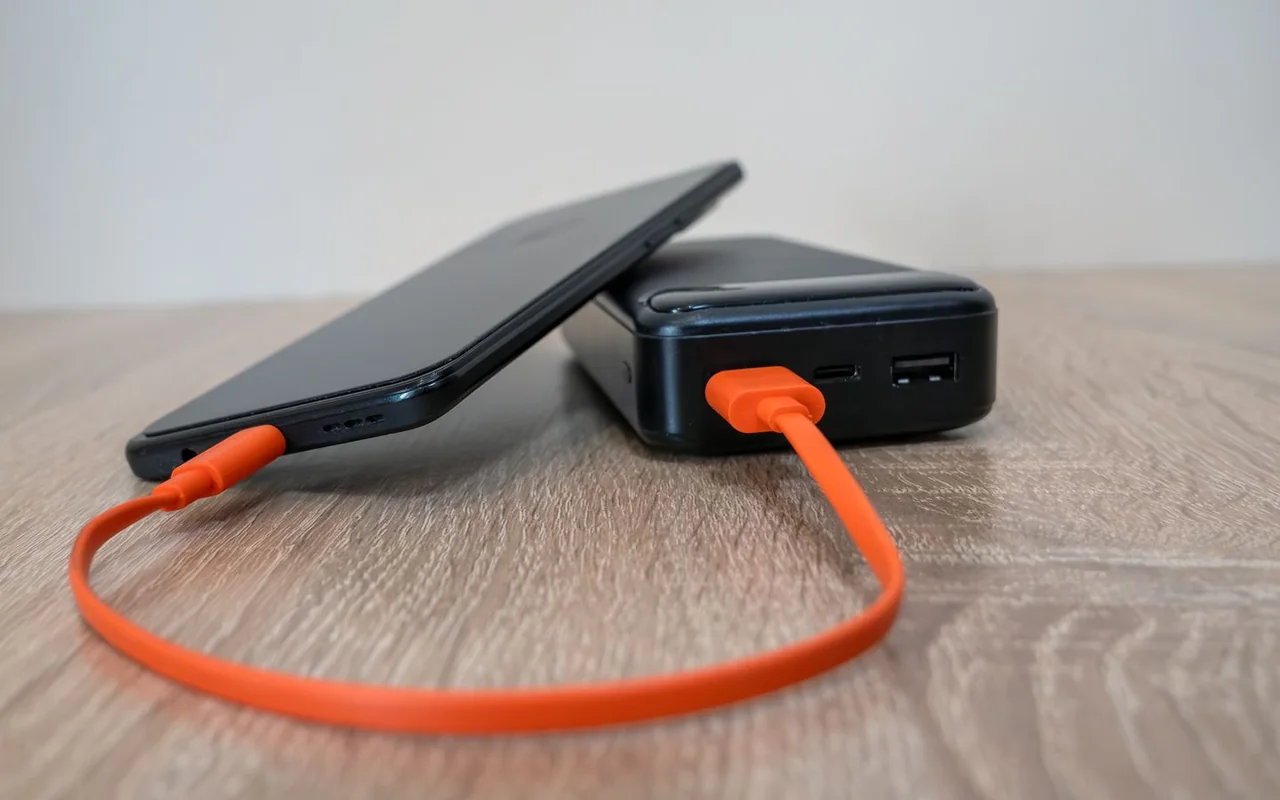
Separate watt-hours, port limits, cable capability and the battery capacity a phone can actually use.
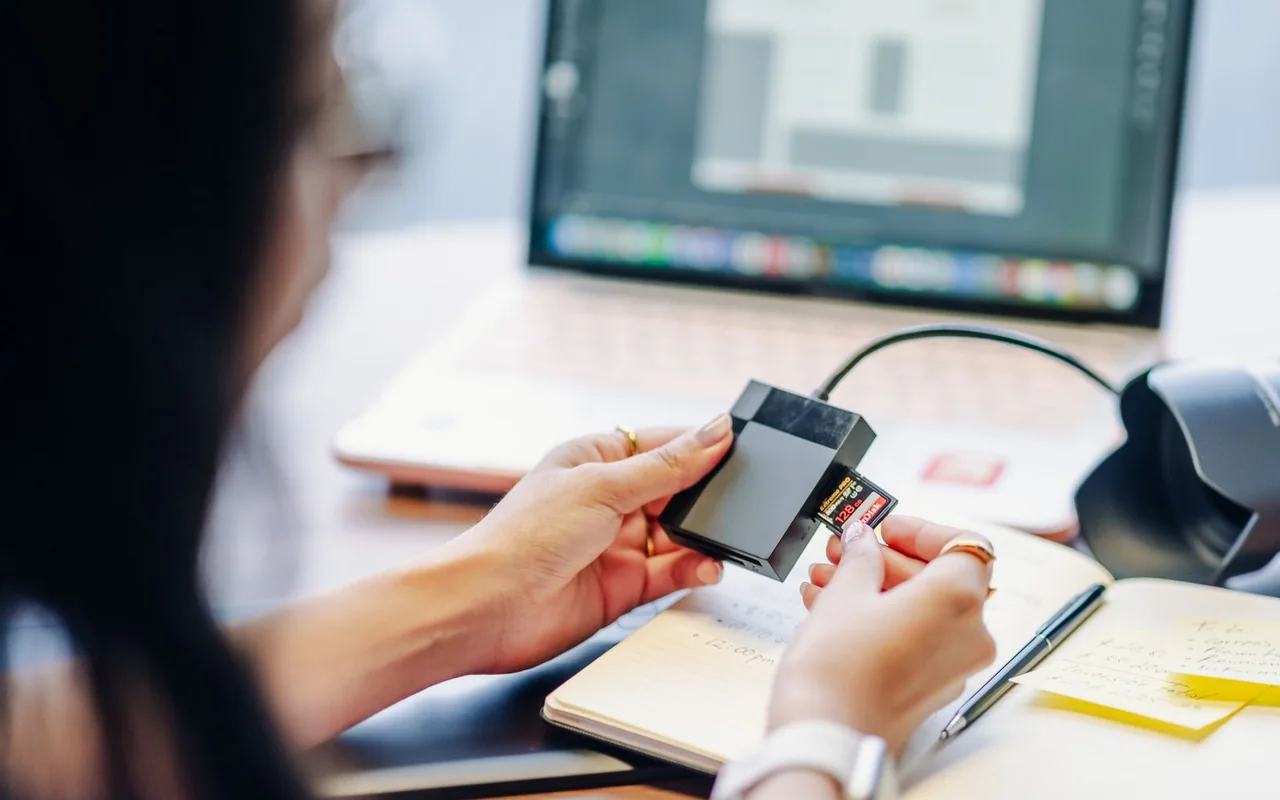
Use card ratings, representative clips and camera warnings to diagnose a recording that ends early.
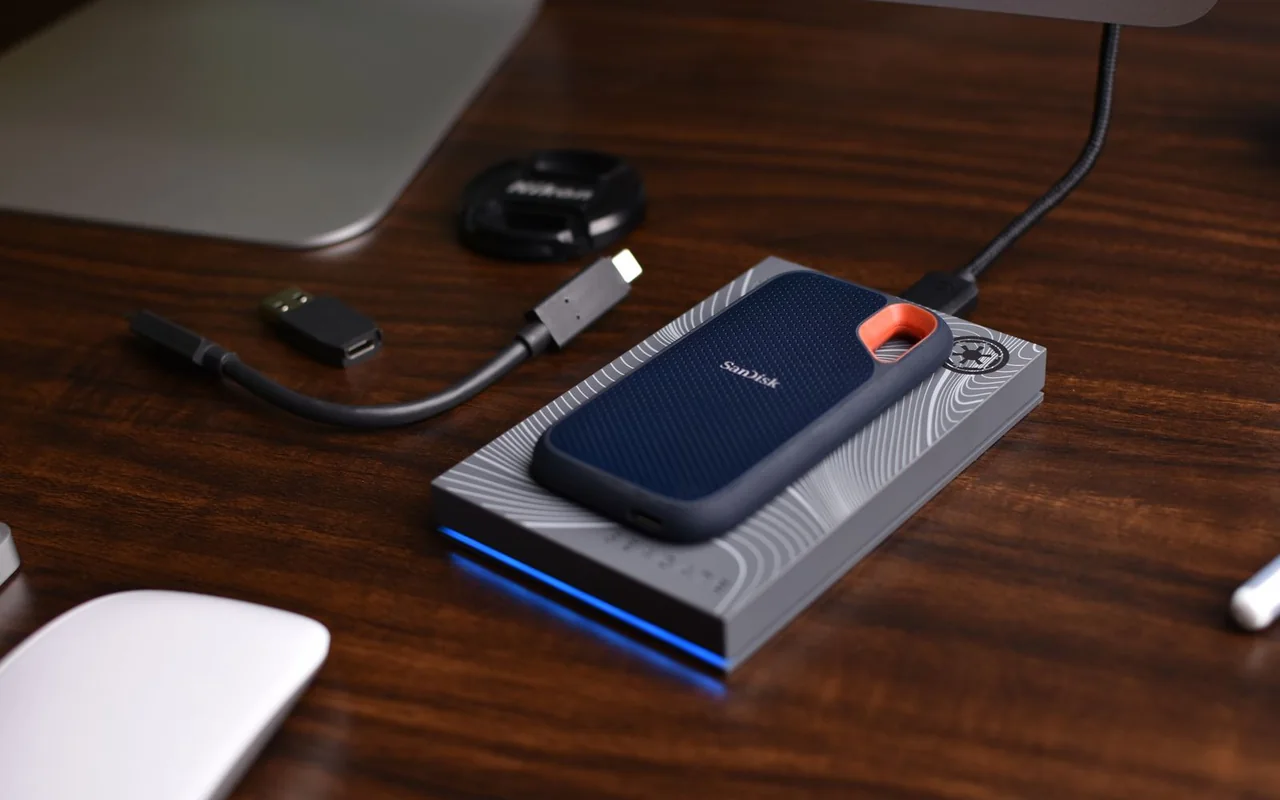
A sustained copy can show how cache, temperature, enclosure and host port shape usable speed.
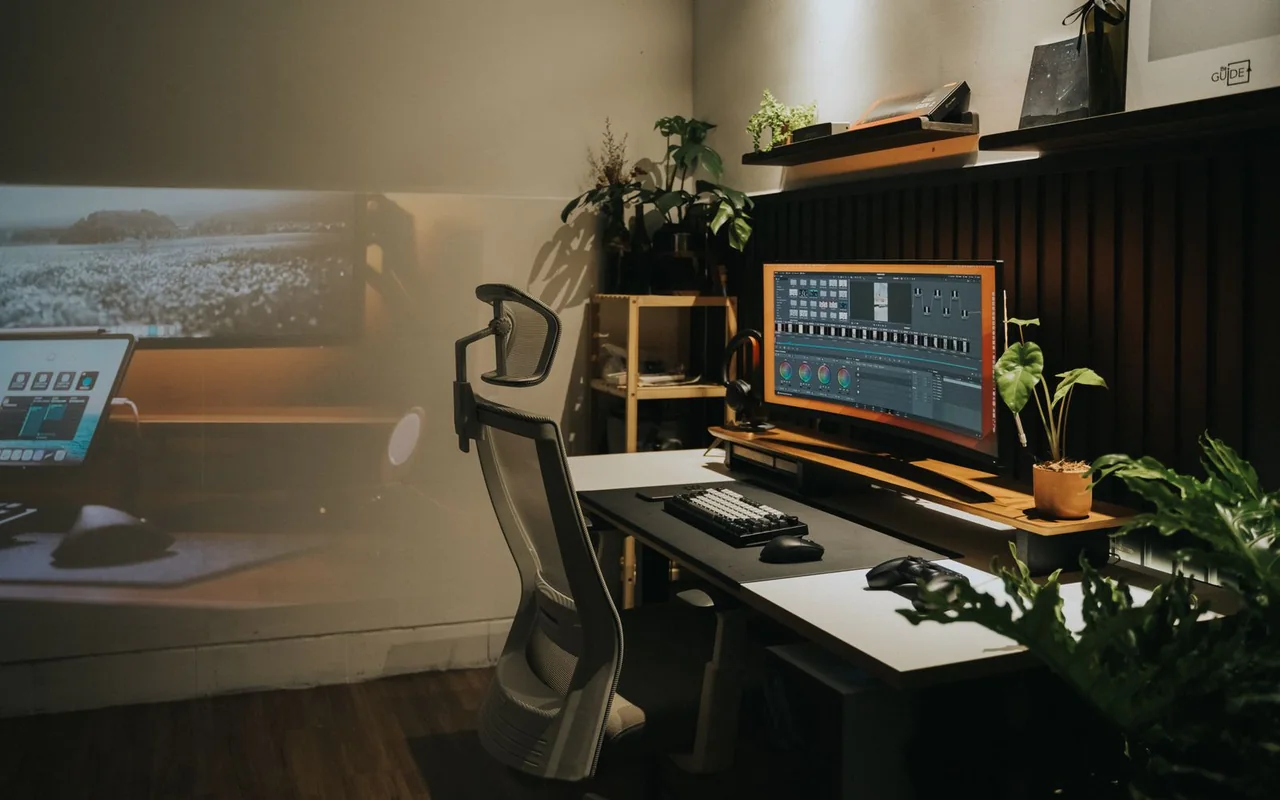
Use reflections, text and work position to tune a screen before changing its color settings.

Build a short command inventory and place the actions that matter where your hands can reach them.
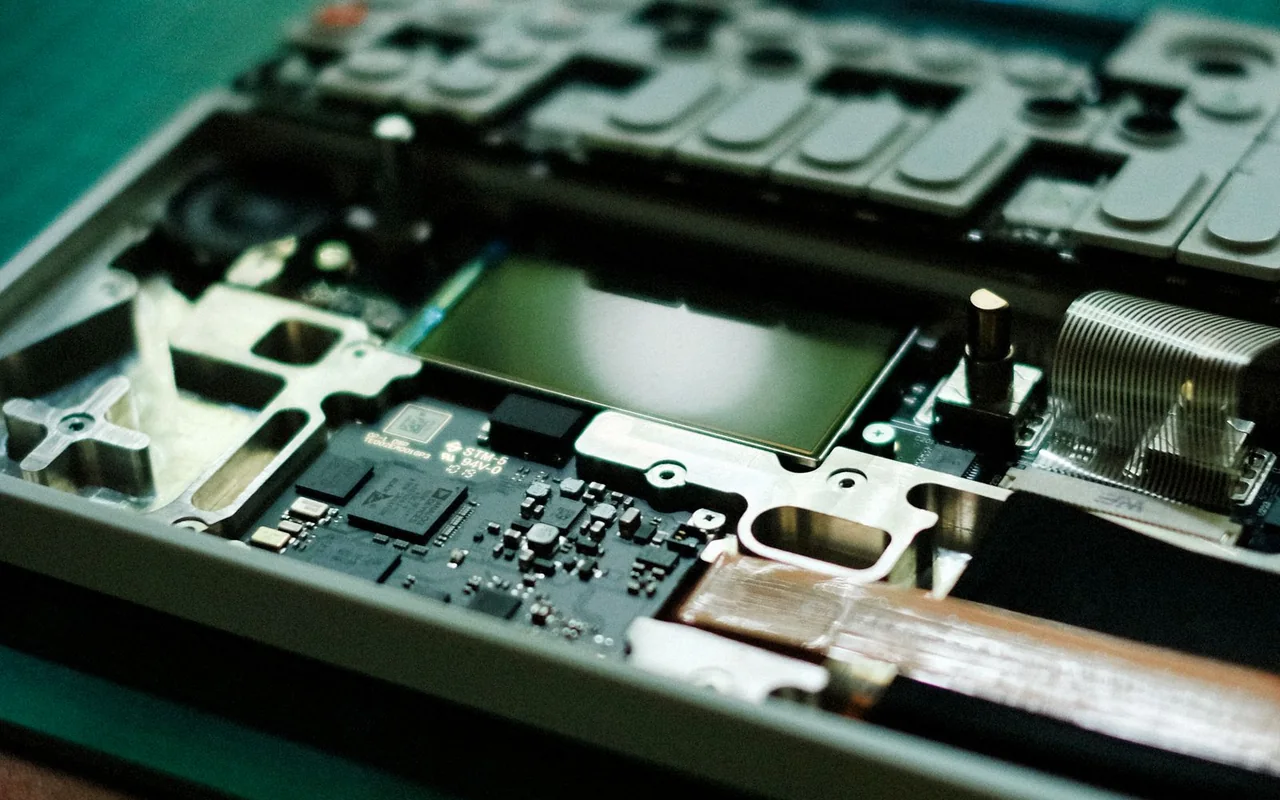
Check access, connectors, cooling and documentation before buying a small desktop you plan to keep.
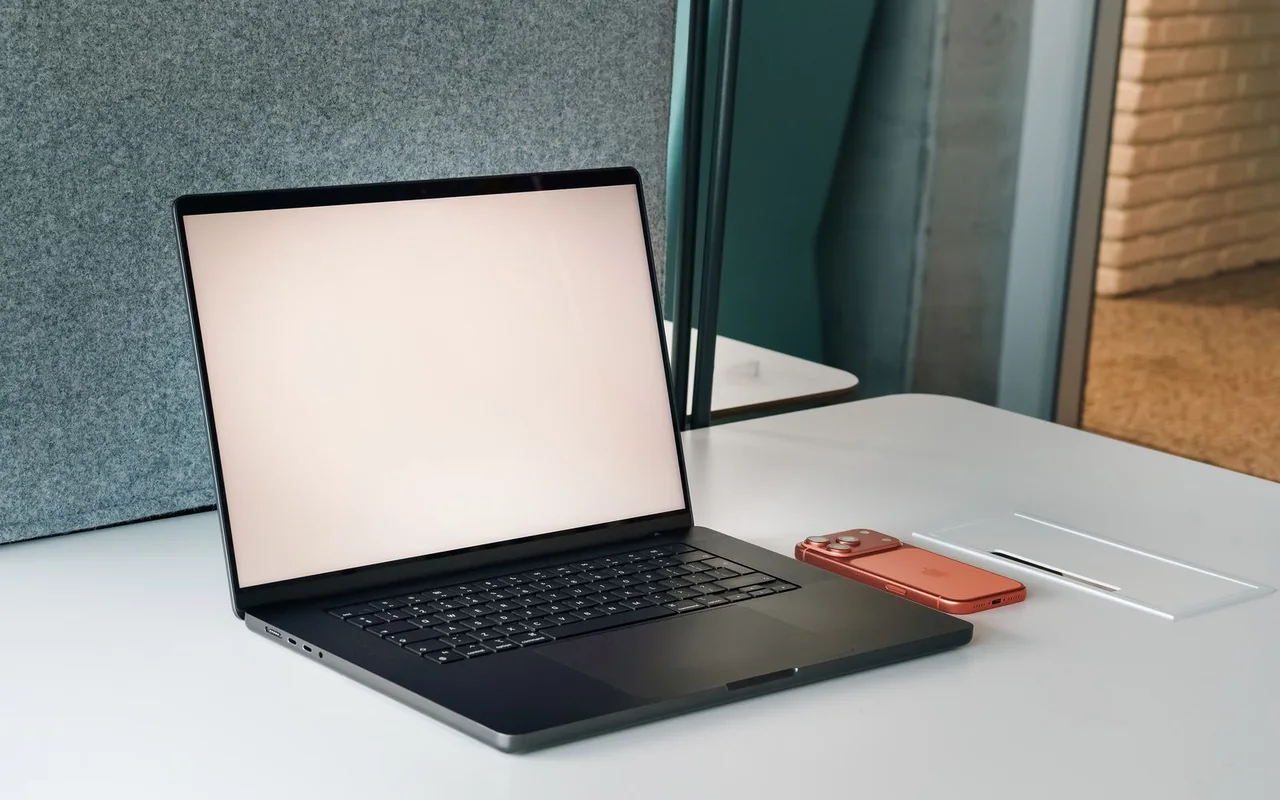
Choose a readable workspace by separating physical size, pixel density and application zoom.
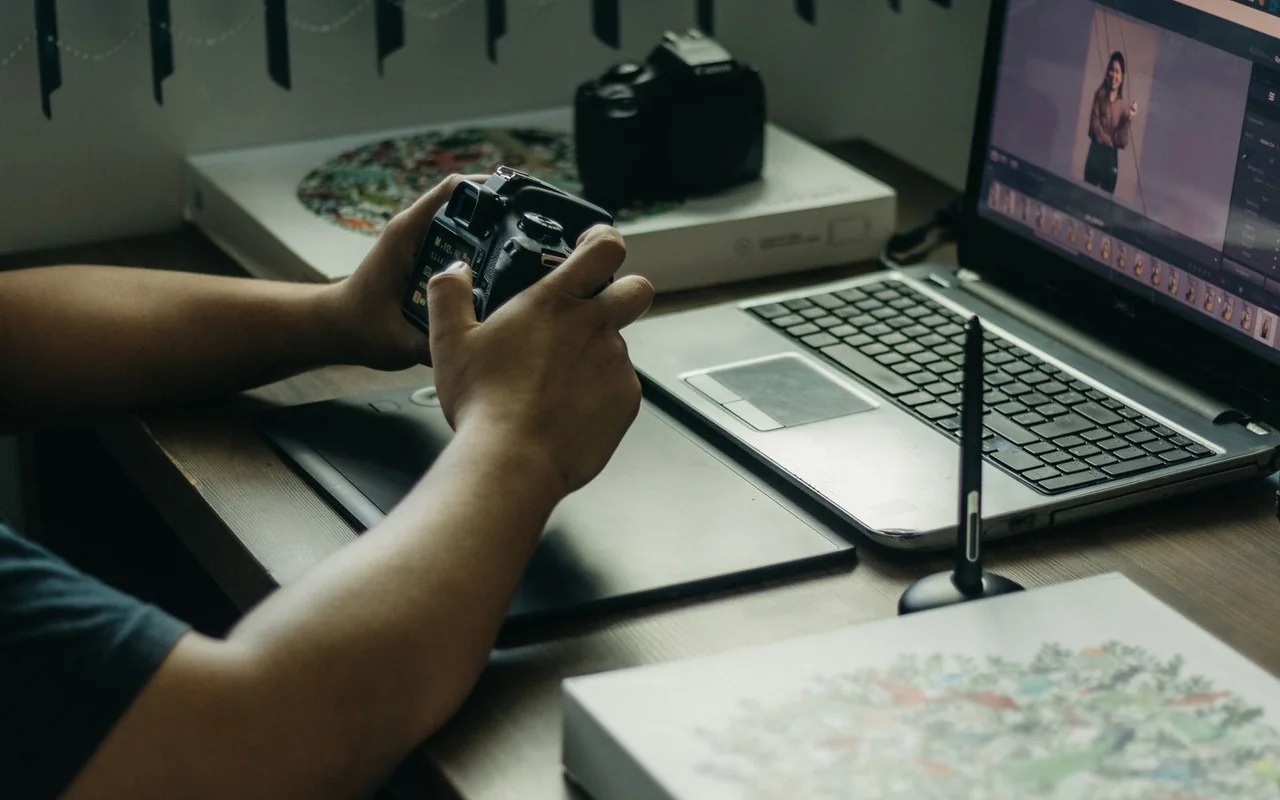
Link lighter editing copies to the originals while keeping timecode, audio and final output intact.
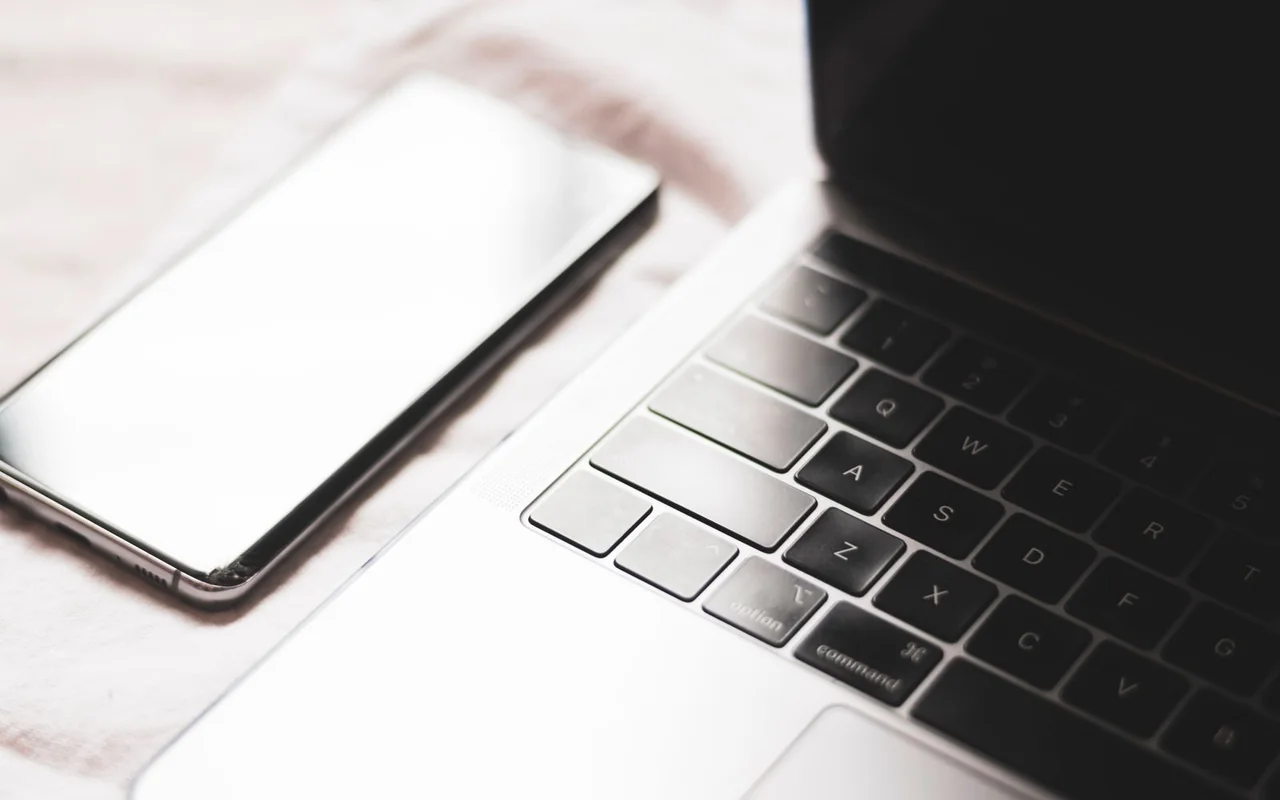
Distinguish device access from account recovery and verify a spare method while your main device still works.
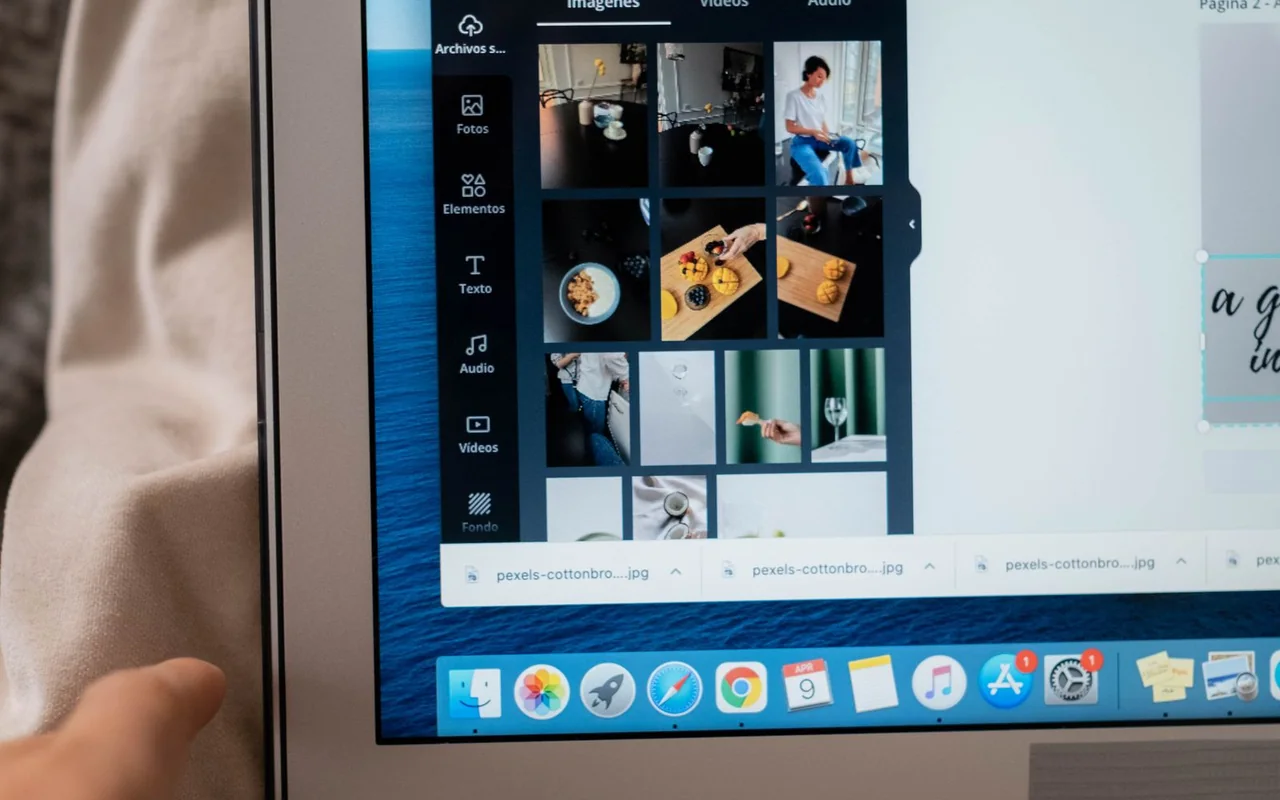
Separate sessions and bookmarks while accounting for downloads, extensions and device-level access.
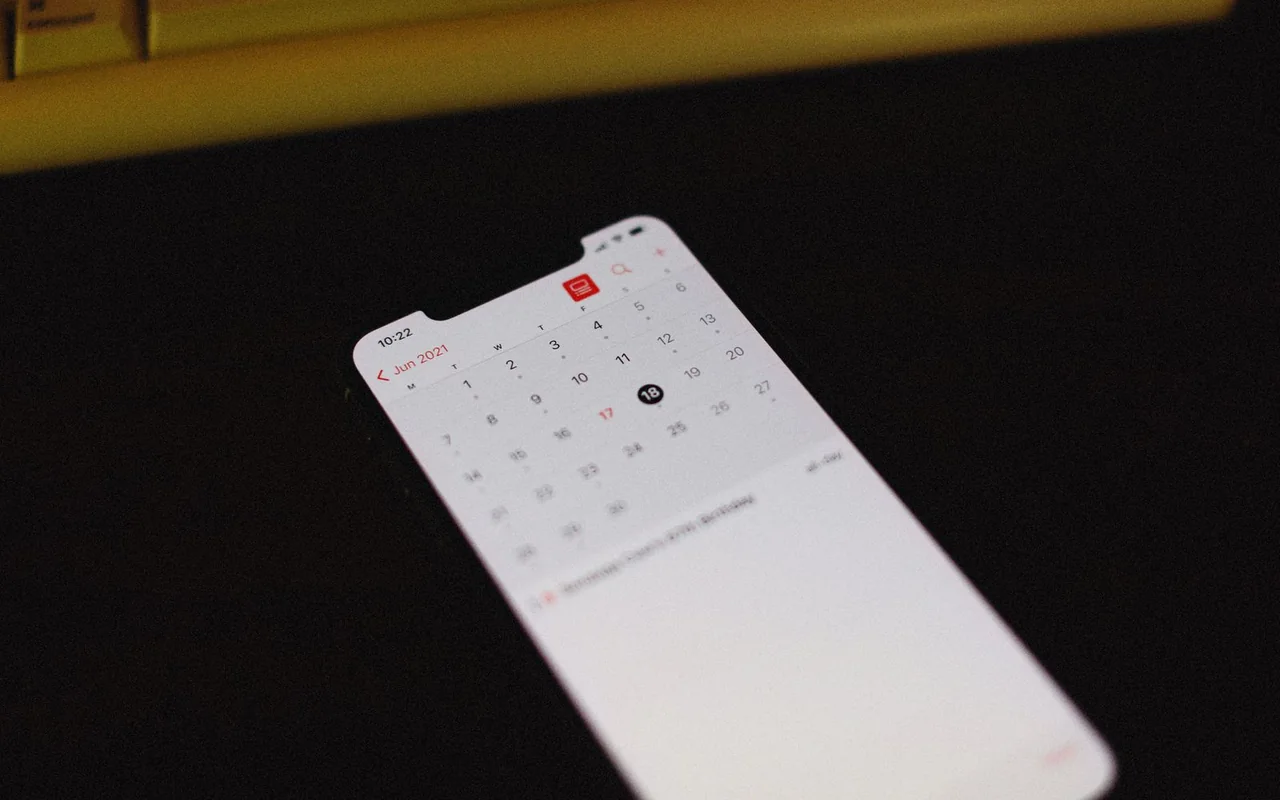
Work in the organizer’s time zone and check future dates where two regions change clocks on different weekends.

Check text selection, reading order and headings with the same export your readers will receive.
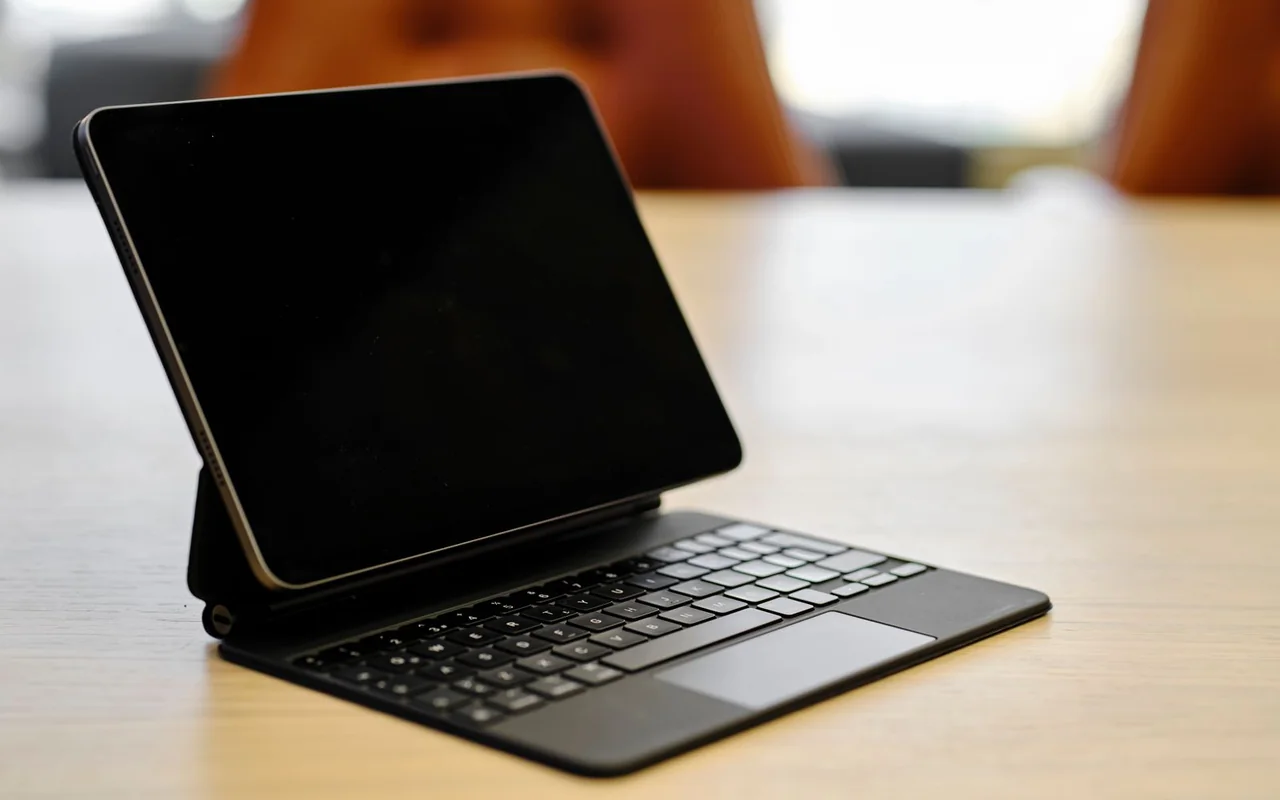
Use a throwaway note to inspect conflict behavior and keep a recoverable copy before a real merge.
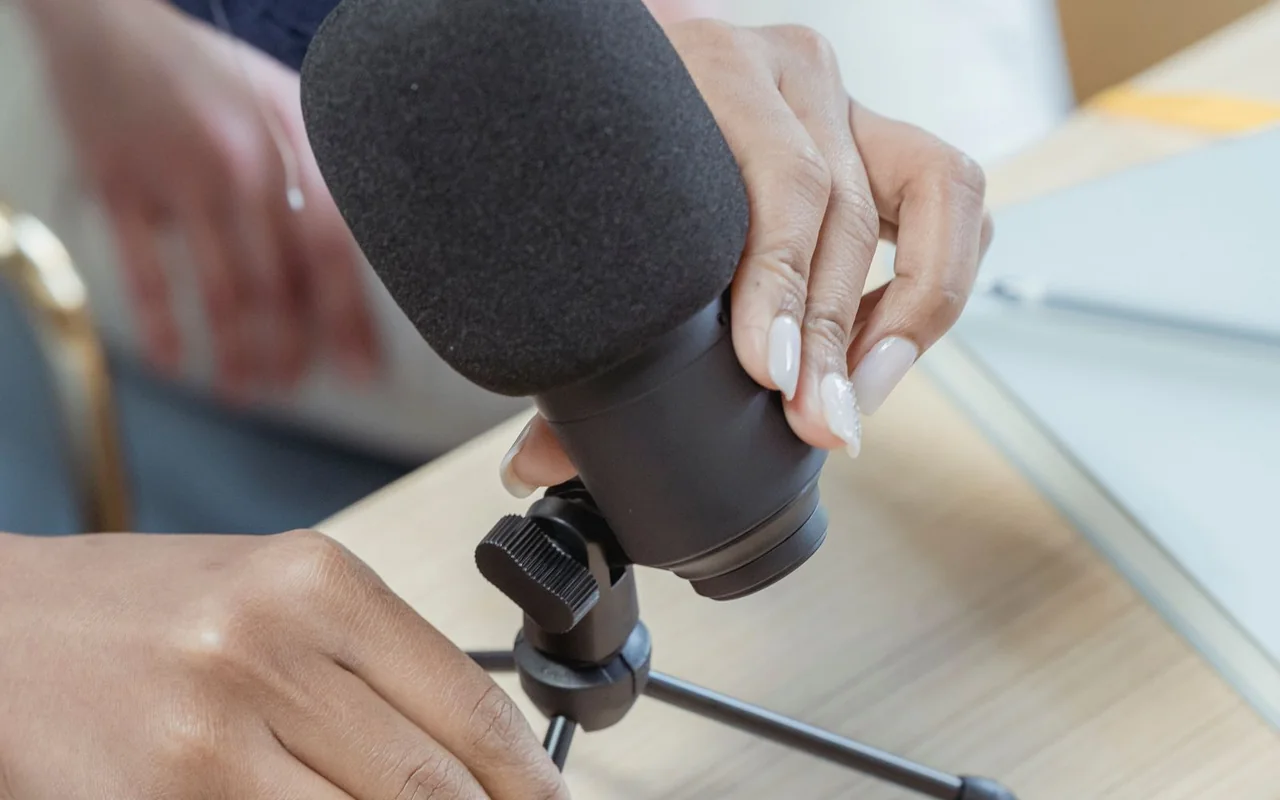
Names, numbers and corrections tell you more about speech-to-text reliability than a tidy demo.

Give guests a predictable physical control while preserving scenes and the right recovery behavior.
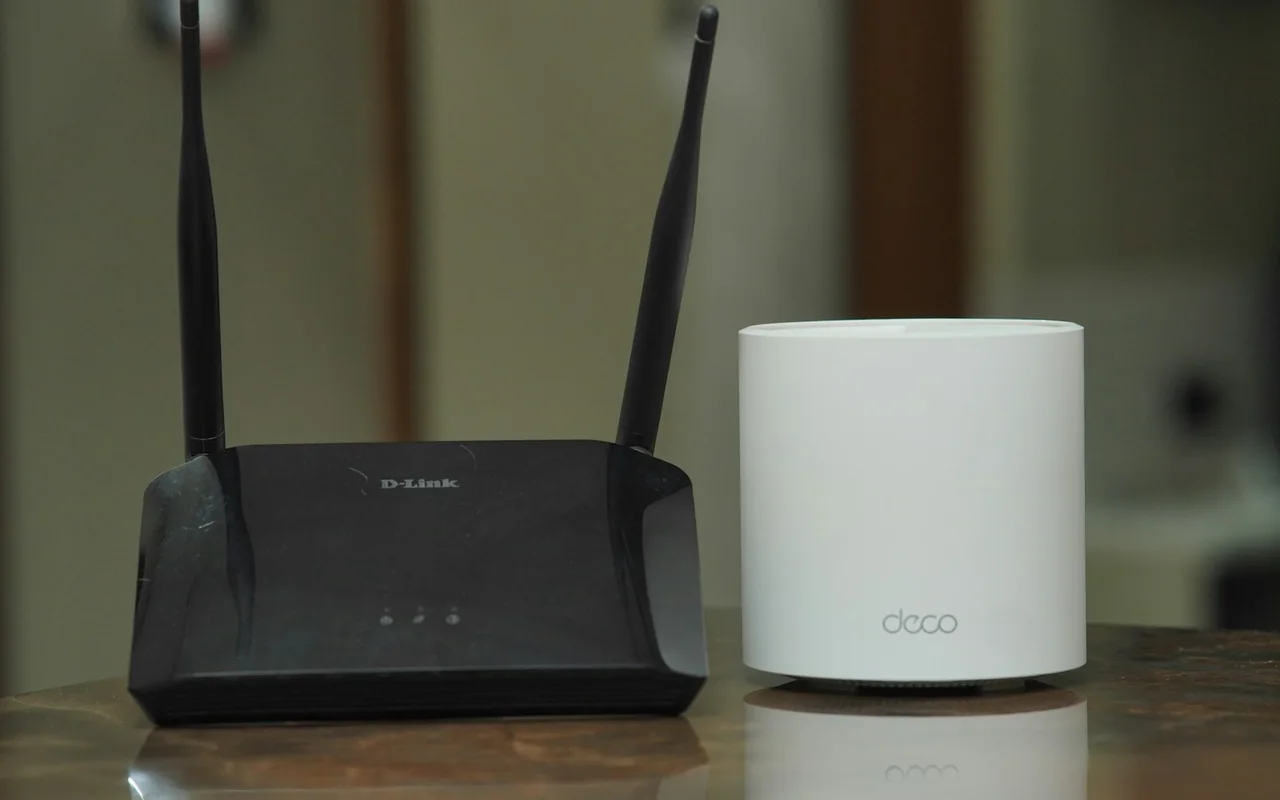
Measure the device-to-node and node-to-router paths separately before adding another access point.
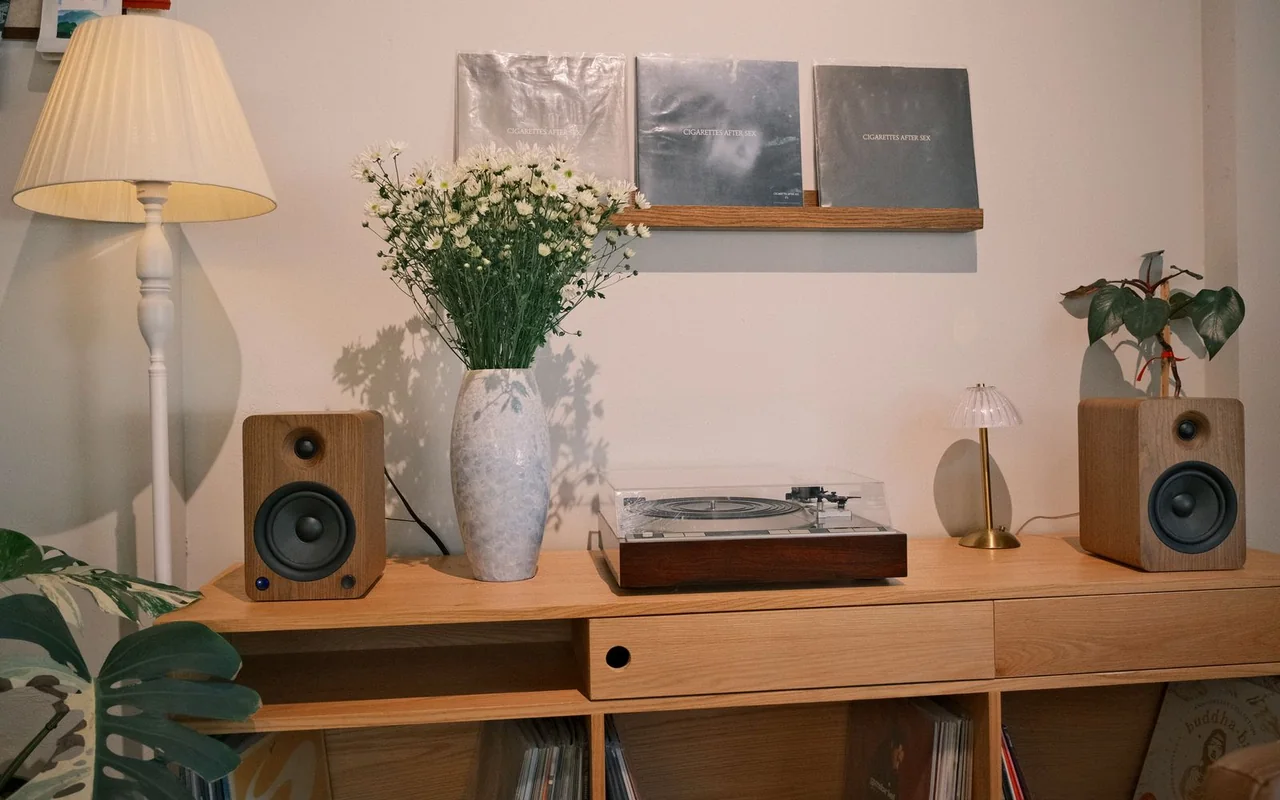
Find whether the lag comes from grouped playback, a television input or a weak wireless link.
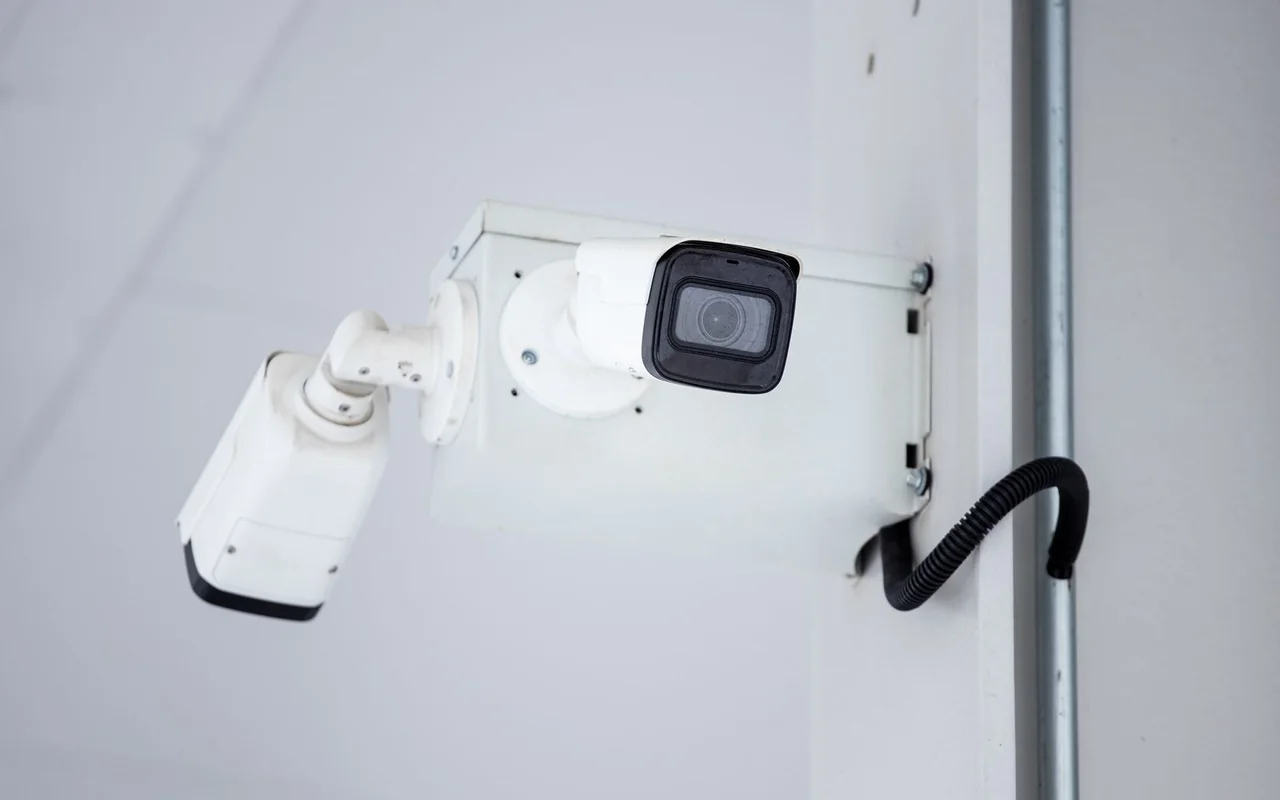
Wake-up time, motion detection and pre-event recording determine what a notification can show.
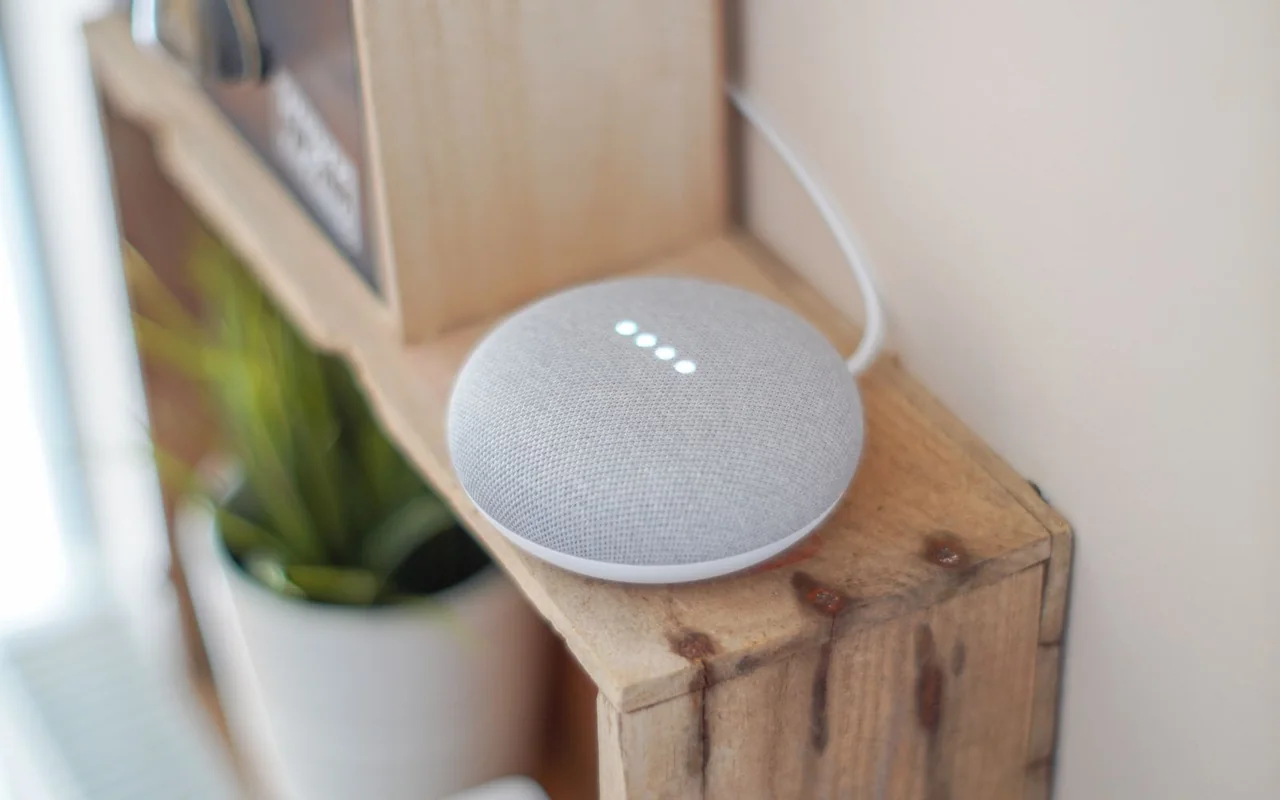
Use a safe outage rehearsal to separate home network control, platform automation and cloud features.
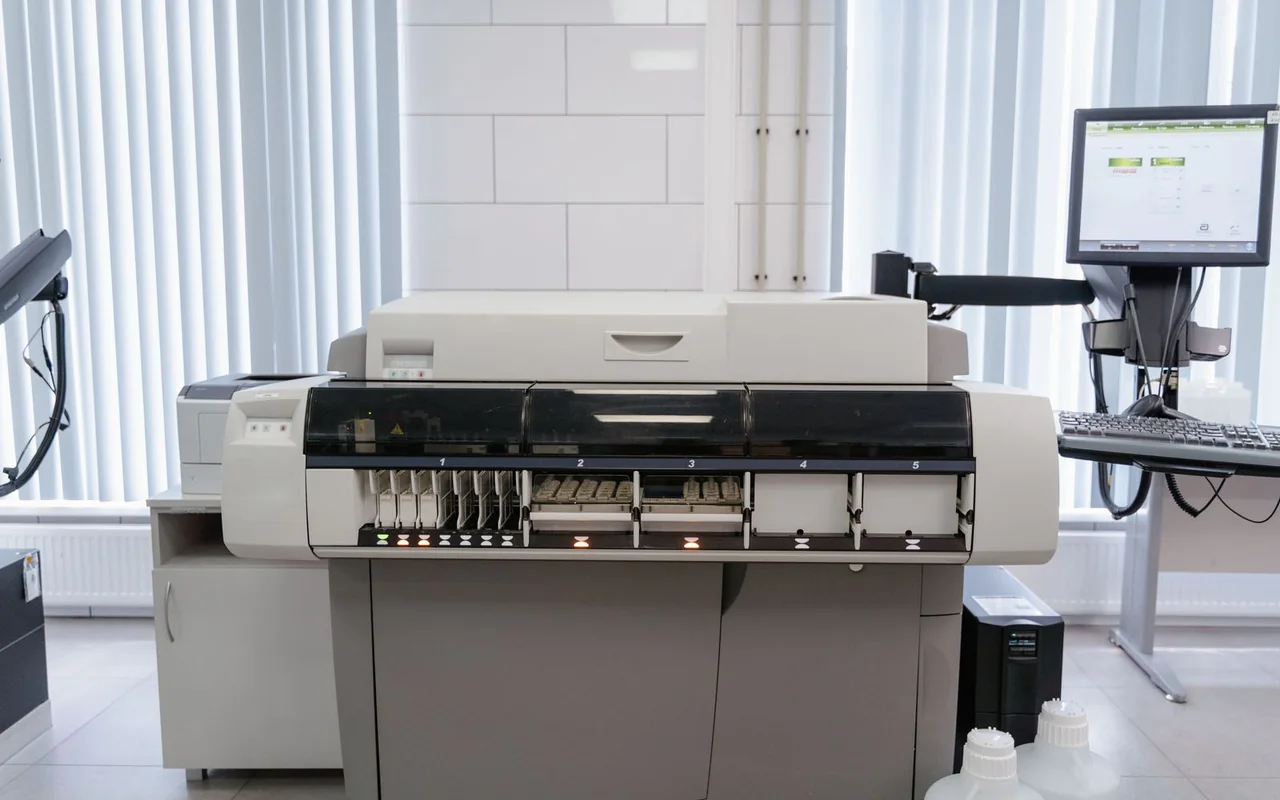
Check address changes, local discovery and power states before reinstalling the driver.
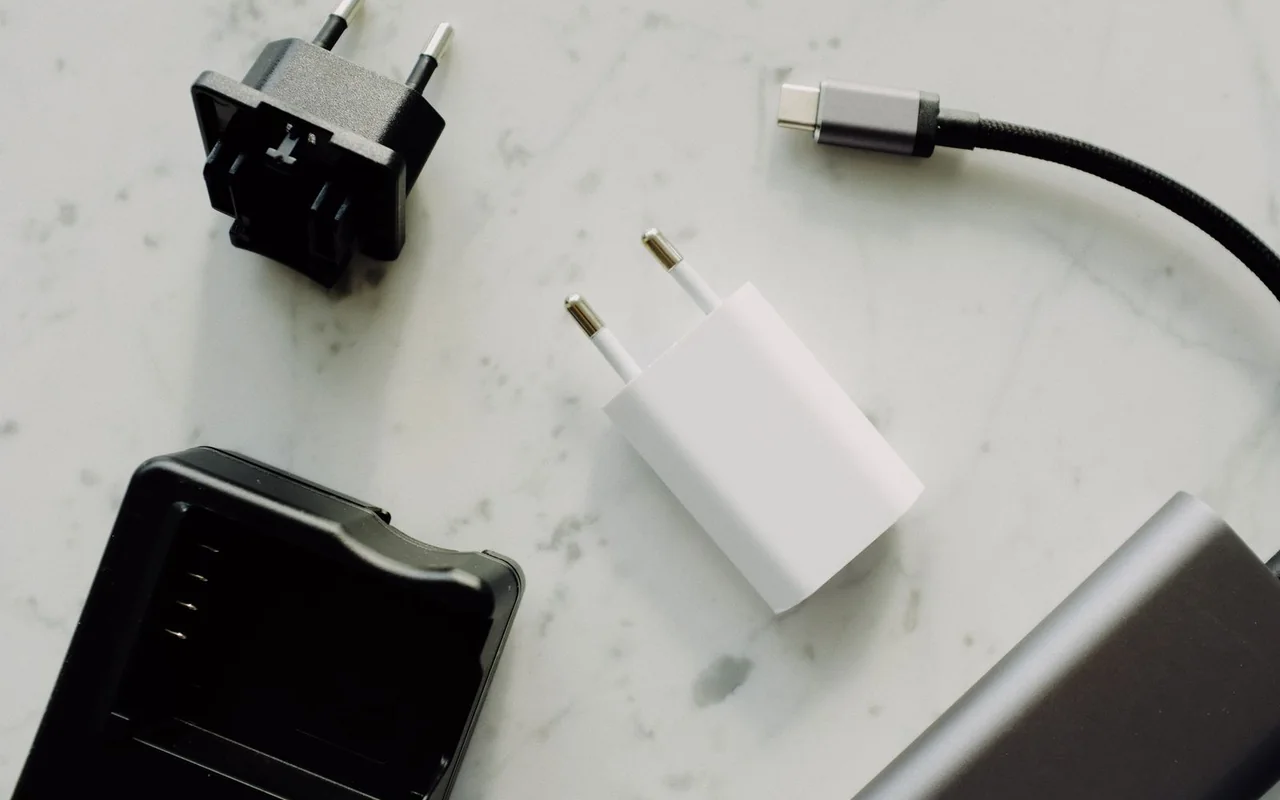
Power capability, negotiated charging and data speed belong on different lines of a shopping list.
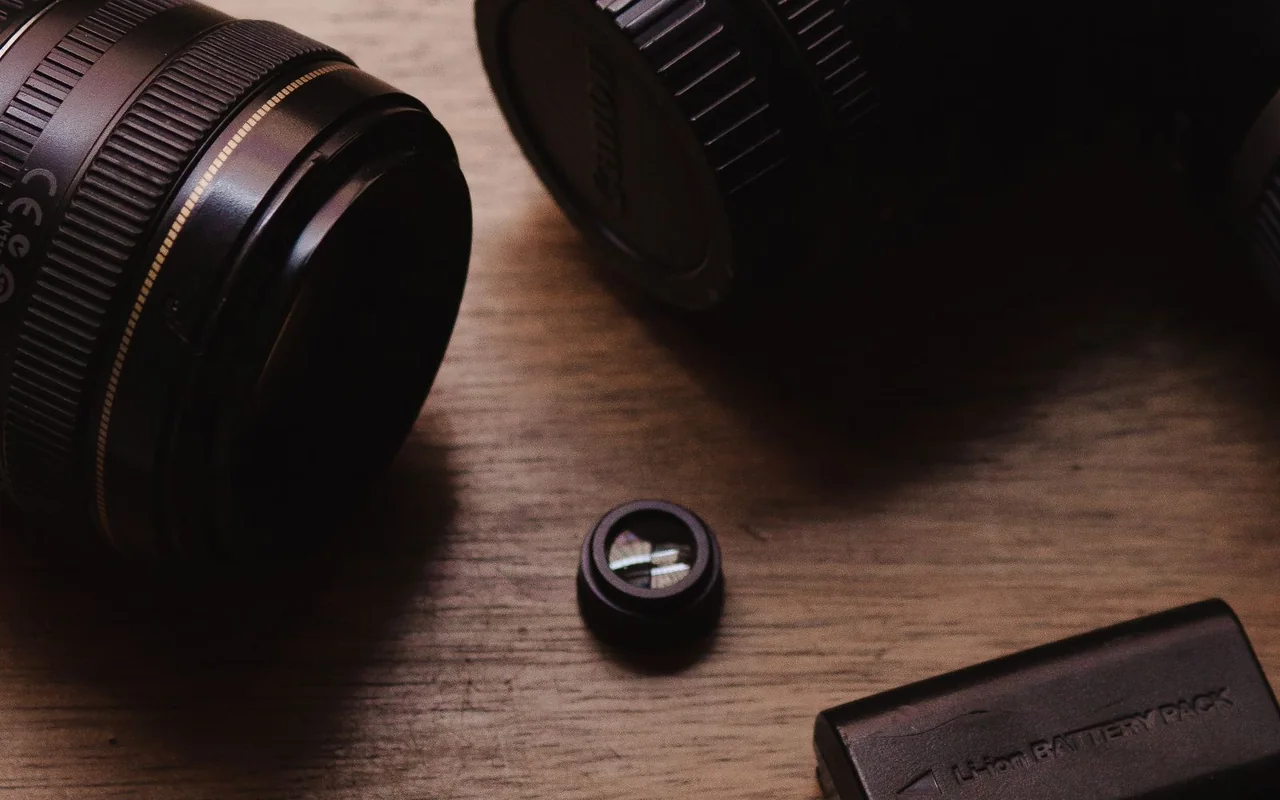
Try a small HEIC export on the actual recipient’s software and decide which edits and metadata should travel.

Judge text from a normal seated position and account for fit, motion and contrast before using it as a monitor.

Separate an outlet on the vehicle from a supported whole-home system and map the loads you expect it to carry.
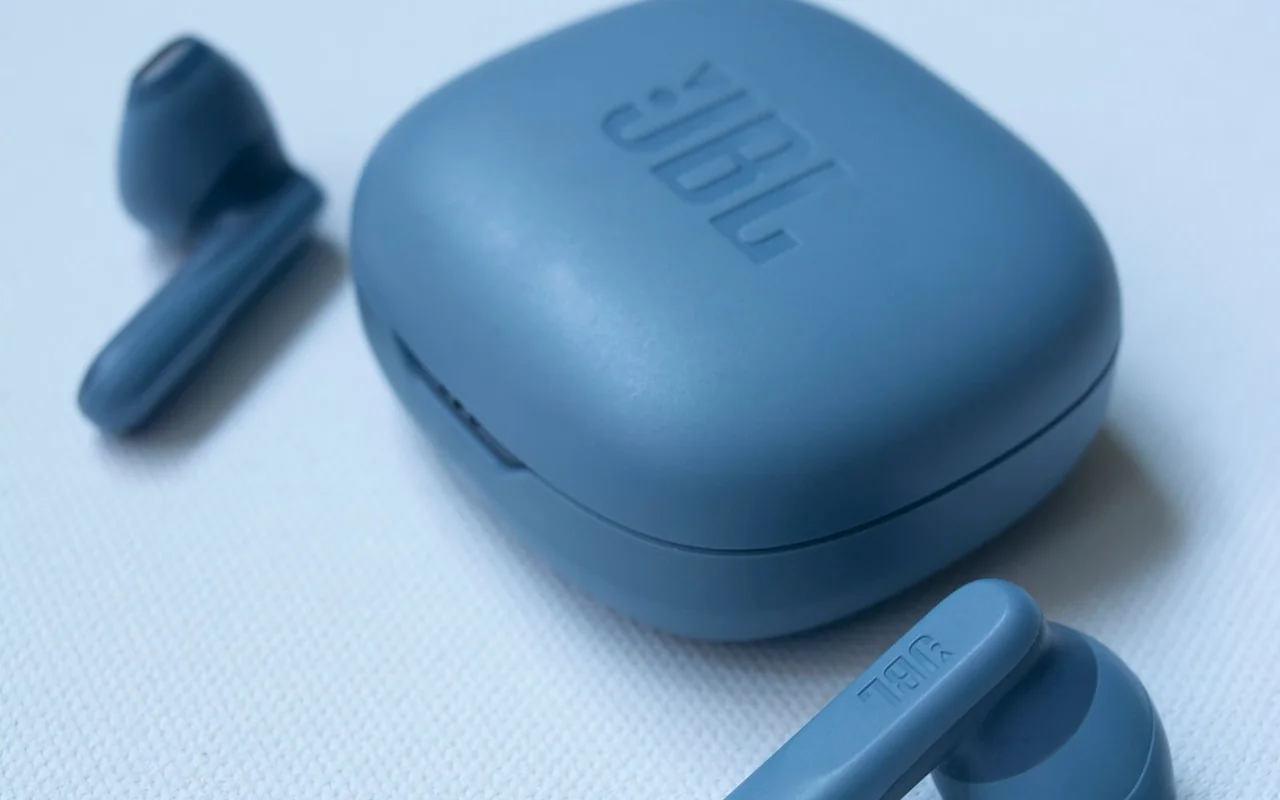
A compatible broadcast, receiver and access method all matter in a shared listening setup.
Plan a brief message, a clear outdoor location and an offline fallback before testing a device’s supported feature.